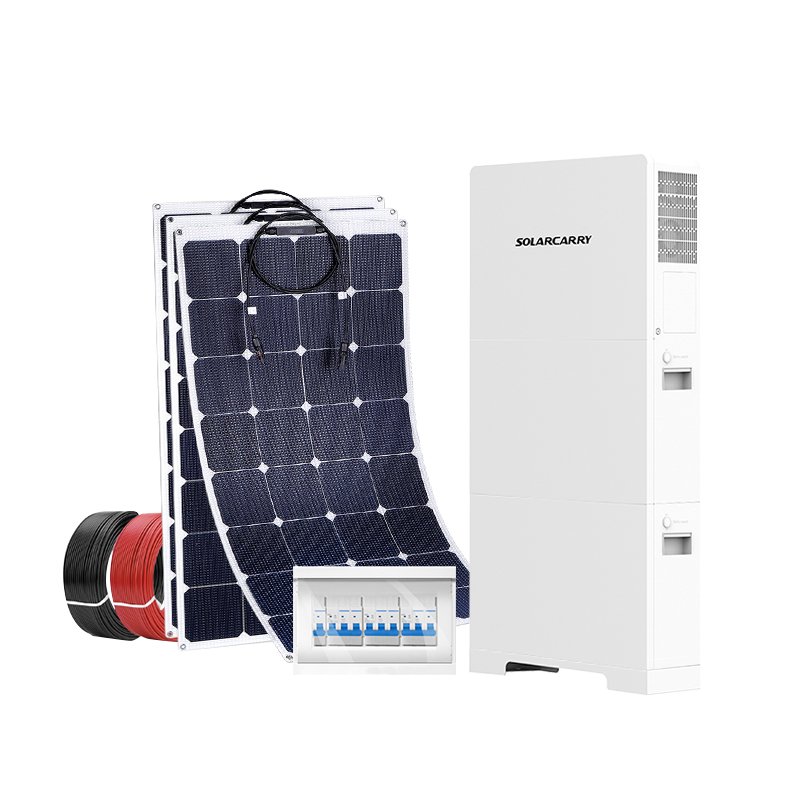
When you flip a light switch, fire up your electric vehicle, or run an industrial plant, you're tapping into a vast, intricate ecosystem of Tools & Methods for Power System Generation. This isn't just about plugging into an outlet; it's about a highly sophisticated dance between engineering, physics, and economics that transforms raw energy into the reliable electricity powering our modern world. Understanding this landscape—the foundational technologies, the cutting-edge innovations, and the complex challenges—is key to grasping how we'll illuminate tomorrow.
We're in an era of unprecedented transformation, moving from centralized, fossil-fuel-heavy systems to a more diverse, distributed, and sustainable energy future. The tools we use to generate power and the methods we employ to manage it are evolving at a breathtaking pace, demanding a continuous re-evaluation of how we build, operate, and innovate.
At a Glance: Powering Our World
- Diverse Sources: Electricity comes from a mix of fossil fuels, nuclear energy, and rapidly expanding renewable resources like solar, wind, and hydro.
- Key Stages: Power generation involves extracting energy, converting it to electricity, transmitting it across grids, and distributing it to consumers.
- Historical Roots: From Edison's DC plants to Tesla's AC triumph and the rise of nuclear and renewables, our power journey spans over a century of innovation.
- Modern Demands: Industrial, residential, and commercial sectors rely on stable power, increasingly integrated with smart grid technologies.
- Innovation Drivers: Current focus is on efficiency, reduced environmental impact, smart grid management, and advanced energy storage.
- Future Trends: Expect more decentralization, electrification, digitalization, and significant breakthroughs in energy storage.
- Major Challenges: Ensuring grid stability with intermittent renewables, managing high infrastructure costs, and addressing the environmental footprint of new technologies.
The Invisible Engine: Why Power Generation Matters
At its core, power generation is the act of converting a "primary energy source"—think coal, natural gas, wind, or sunlight—into usable electrical energy. This process is fundamental to virtually every facet of modern life, from enabling complex manufacturing in industrial sectors to providing the warmth and light in our homes. Without robust energy systems, societies grind to a halt.
Historically, this journey began in earnest in the late 19th century. Visionaries like Thomas Edison pioneered direct current (DC) systems, aiming for localized power distribution. However, it was Nikola Tesla's advocacy for alternating current (AC) systems that ultimately won out, primarily because AC allowed for more efficient long-distance transmission, making widespread electrification feasible.
Consider some of the monumental steps:
- 1882: Thomas Edison inaugurates the Pearl Street Station in New York, the first commercial power plant, marking the dawn of widespread electricity.
- 1895: The Niagara Falls Power Plant, a marvel of its time, begins large-scale AC power generation, demonstrating the potential of hydroelectricity.
- 1954: The Obninsk Nuclear Power Plant in Russia becomes the world’s first nuclear power plant, opening a new, potent chapter in energy generation.
- 1970s: The global oil crisis serves as a stark reminder of fossil fuel dependence, sparking initial interest and investment in renewable energy and efficiency.
- 2000s: Rapid technological advancements, particularly in solar panel efficiency and wind turbine design, lead to the widespread adoption of renewable energy technologies.
Today, these systems are integral to applications spanning every sector. Manufacturing plants rely on stable electricity for everything from aluminum smelting to precision robotics. Commercial buildings power their offices and data centers, while residential areas depend on a constant supply for daily living. Increasingly, these applications are integrating "smart grid" technologies, enhancing efficiency and reliability. The ability to harness and manage this power is not just a convenience; it's the bedrock of economic prosperity and societal advancement.
The Powerhouse: Core Tools and Methods for Generating Electricity
The methods we use to convert various primary energy sources into electricity are diverse, each with its own set of specialized tools and operational methodologies. Understanding these is fundamental to appreciating the complexity and ingenuity of power generation.
Harnessing Fossil Fuels: The Enduring Workhorses
Despite the push for renewables, fossil fuels—coal, natural gas, and oil—remain significant contributors to global power generation. Their methods are largely based on thermal power cycles.
- Tools:
- Boilers: For coal and oil plants, these immense pressure vessels heat water to produce high-pressure steam.
- Gas Turbines: Central to natural gas plants, these rapidly rotating engines compress air, mix it with fuel, ignite it, and spin a turbine with the hot exhaust gases.
- Steam Turbines: Whether from fossil fuels or nuclear, steam turbines convert the thermal energy of steam into mechanical energy, spinning a generator.
- Generators: These electromechanical devices convert mechanical energy (from turbines) into electrical energy.
- Methods:
- Rankine Cycle: The predominant method for coal, oil, and nuclear plants, involving water being heated to steam, expanding through a turbine, condensing back to water, and being pumped back into the boiler.
- Combined Cycle Gas Turbines (CCGT): A highly efficient method where a gas turbine generates electricity, and its hot exhaust gases are then used to produce steam for a secondary steam turbine, generating additional power. This significantly boosts "conversion efficiency."
The Mighty Atom: Nuclear Power
Nuclear power offers high energy density and low operational carbon emissions, relying on the controlled fission of atomic nuclei.
- Tools:
- Nuclear Reactors: The heart of a nuclear plant, where fission occurs, producing immense heat.
- Steam Generators: Heat from the reactor is transferred to water in a separate loop, creating steam to drive turbines.
- Control Rods: Used to absorb neutrons and regulate the rate of the nuclear reaction, ensuring safety.
- Methods:
- Nuclear Fission: Uranium or plutonium atoms are split, releasing vast amounts of heat, which then follows a steam cycle similar to thermal power plants. Strict safety protocols, including containment and waste management, are paramount.
Flowing Power: Hydropower
Hydropower leverages the kinetic energy of moving water, often through large-scale infrastructure.
- Tools:
- Dams: Impound water, creating a reservoir and head (height difference) for potential energy.
- Penstocks: Large pipes that channel water from the reservoir to the turbines.
- Hydro Turbines: (e.g., Francis, Kaplan, Pelton) Blades are spun by the force of the water, driving a generator.
- Methods:
- Potential Energy Conversion: Water held behind a dam has potential energy, which is converted to kinetic energy as it flows downward, spinning turbines and generating electricity. Pumped-hydro storage systems even reverse the process, using excess electricity to pump water uphill for later release.
Winds of Change: Wind Power
Wind power captures the kinetic energy of wind using towering turbines.
- Tools:
- Wind Turbines: Comprising blades, a nacelle (housing the gearbox and generator), and a tower. Modern turbines are massive, often over 100 meters tall.
- Foundations: Crucial for stability, especially for offshore wind farms.
- Inverters: Convert the variable DC output from the generator into stable AC suitable for the "grid."
- Methods:
- Aerodynamic Lift: Wind passes over the aerodynamically designed blades, creating lift that causes the rotor to spin. This rotational energy is then converted into electricity by the generator.
Sun's Embrace: Solar Power
Solar power, from abundant sunlight, is rapidly becoming a cornerstone of renewable energy, primarily through two main methods.
- Tools:
- Photovoltaic (PV) Panels: Convert sunlight directly into electricity using the "photovoltaic effect." Made from semiconductor materials, typically silicon.
- Inverters: Convert the DC electricity from PV panels into AC for grid compatibility.
- Concentrated Solar Power (CSP) Systems: Utilize mirrors (heliostats) to focus sunlight onto a receiver, heating a fluid (e.g., molten salt) to generate steam for a turbine. The Ivanpah Solar Electric Generating System in California is a prime example.
- Methods:
- Photovoltaic Effect: When photons from sunlight strike a semiconductor material, they knock electrons loose, creating an electric current.
- Thermal Conversion (CSP): Concentrated sunlight generates high temperatures, creating steam to drive conventional steam turbines, often with integrated thermal storage.
Other Emerging Sources: Geothermal and Biomass
While less widespread, these offer specialized contributions.
- Geothermal: Taps into the Earth's internal heat using steam or hot water to drive turbines.
- Biomass: Burns organic matter (e.g., wood, agricultural waste) to generate steam, or converts it into biogas for engines, similar to fossil fuel thermal plants but with renewable fuel.
The Lifelines: Connecting and Controlling the Grid
Generating power is only half the battle. The electricity must then be reliably transmitted, distributed, and managed across an interconnected "grid" to meet fluctuating "load" demands. This requires sophisticated tools and methods that ensure stability and efficiency.
Transmission and Distribution: The Grid's Arteries
The "Grid" is an expansive network of power lines, substations, and transformers that delivers electricity from producers to consumers.
- Tools:
- Transmission Lines: High-voltage lines (often carried on large towers) that move electricity over long distances with minimal loss.
- Substations: Convert voltage levels up or down for efficient transmission and distribution.
- Distribution Lines: Lower-voltage lines that branch out from substations to deliver power directly to homes and businesses.
- Methods:
- High-Voltage AC/DC Transmission: AC is dominant due to ease of voltage transformation, but High-Voltage Direct Current (HVDC) is increasingly used for very long distances or submarine cables due to lower losses and better controllability.
The Brains of the Operation: Grid Management Systems
As the grid becomes more complex, especially with the integration of intermittent "renewable energy," advanced management systems are crucial.
- Tools:
- SCADA (Supervisory Control and Data Acquisition) Systems: Software and hardware platforms that monitor and control grid components in real-time, from power plants to substations.
- EMS (Energy Management Systems): Advanced SCADA systems with optimization functions, forecasting tools, and stability analysis to manage the entire power system efficiently.
- Synchrophasors (PMUs): Devices that provide highly synchronized, real-time measurements of grid conditions across wide areas, enabling faster detection and response to disturbances.
- Methods:
- Load Balancing & Frequency Control: Continuously matching generation to demand to maintain grid frequency (e.g., 50 or 60 Hz) within tight limits.
- Voltage Regulation: Keeping voltage levels stable across the grid to prevent equipment damage and ensure quality power.
The Battery Pack: Energy Storage Technologies
Energy storage is arguably the most critical enabler for a renewable-heavy grid, addressing the intermittency of solar and wind.
- Tools:
- Lithium-ion Batteries: Rapidly deployable, high-density storage solutions, exemplified by the Hornsdale Power Reserve in South Australia, which provides rapid response for grid stability.
- Pumped Hydro Storage: The largest form of grid-scale storage, using excess power to pump water uphill, then releasing it through turbines when demand is high.
- Flywheels: Store kinetic energy, useful for short-duration power quality and frequency regulation.
- Flow Batteries: Offer longer duration storage than Li-ion, suitable for utility-scale applications.
- Methods:
- Peak Shaving: Storing energy during low-demand periods and releasing it during high-demand peaks.
- Frequency Regulation: Providing immediate power injection or absorption to stabilize grid frequency.
- Renewable Firming: Smoothing out the variable output of solar and wind farms.
The Intelligent Network: Smart Grid Technologies
Smart grids leverage digital technology to create a more resilient, efficient, and interactive power system.
- Tools:
- Smart Meters: Two-way communication devices that provide consumers with detailed energy consumption data and allow utilities to remotely monitor and manage meters.
- Advanced Metering Infrastructure (AMI): The full system of smart meters, communication networks, and data management systems.
- Demand Response Programs: Technologies that enable consumers to reduce or shift their electricity use in response to grid conditions or price signals.
- Methods:
- Real-time Monitoring & Control: Digital sensors and communication networks allow for immediate visibility and control over grid assets.
- Optimized Resource Management: Using data analytics to predict demand, manage generation, and reduce losses.
Pioneering the Future: Innovations Redefining Power Generation
The drive for greater efficiency, lower environmental impact, and seamless integration of diverse energy sources is fueling a wave of innovations across the power generation landscape.
Next-Gen Materials and Designs for Enhanced Performance
Materials science and advanced manufacturing are pushing the boundaries of what's possible.
- High-Efficiency Solar Cells: Innovations like perovskite solar cells, tandem cells, and thin-film technologies promise higher "conversion efficiency" and lower costs, even in less-than-ideal conditions.
- Advanced Turbine Blades: Lighter, stronger, and more aerodynamically optimized materials (e.g., carbon fiber composites) allow for larger, more efficient wind turbine blades and gas turbine components capable of operating at higher temperatures.
- Small Modular Reactors (SMRs): For nuclear power, SMRs offer standardized designs, faster construction, and enhanced safety features, potentially making nuclear energy more flexible and cost-effective.
Digitalization and AI: The Brains Behind the Brawn
Digital technologies are transforming power plants and grid operations from reactive to proactive.
- Predictive Maintenance: AI algorithms analyze sensor data from turbines, generators, and other equipment to predict failures before they occur, reducing downtime and maintenance costs.
- Optimized Plant Operations: Machine learning models fine-tune combustion processes in thermal plants or adjust turbine angles in wind farms to maximize output and "conversion efficiency" based on real-time conditions.
- Digital Twins: Virtual replicas of physical power assets (e.g., a gas turbine or a solar farm) allow engineers to simulate performance, test scenarios, and optimize operations without impacting the actual asset.
- Grid Modernization: Tools like generate manga power systems might not be the real-world application, but the concept of predictive modeling and optimization is central to how we envision and simulate future energy systems. This digital foresight is crucial for managing the grid's increasing complexity.
Seamless Renewable Integration: Smart Tools for a Dynamic Grid
Integrating intermittent renewables into a stable grid demands intelligent solutions.
- Advanced Inverters (Grid-Forming Inverters): Beyond simply converting DC to AC, these smart inverters can actively support grid stability, providing voltage and frequency support typically offered by large conventional generators.
- Microgrids: Localized grids that can operate independently or connected to the main grid, offering resilience and integrating diverse local energy sources like rooftop solar, batteries, and small generators. They are key for "decentralization."
- Virtual Power Plants (VPPs): Aggregates of distributed energy resources (DERs) like rooftop solar, electric vehicles, and battery storage, which are centrally controlled to act as a single, flexible power plant for grid services.
Reducing Environmental Footprint: Carbon Capture and Sustainable Fuel Solutions
Innovations are also targeting the environmental impact of current and future generation methods.
- Carbon Capture, Utilization, and Storage (CCUS): Technologies that capture CO2 emissions from fossil fuel power plants before they enter the atmosphere, either storing them underground or utilizing them in industrial processes.
- Green Hydrogen Production: Using renewable electricity to split water into hydrogen and oxygen (electrolysis). This "green hydrogen" can be stored and later burned for electricity generation or used as a clean fuel in various sectors, supporting "electrification" goals.
Navigating the Hurdles: Addressing Challenges in Power Systems
The path to a sustainable and reliable energy future is paved with significant challenges, demanding innovative solutions and concerted effort.
The Intermittency Conundrum: Maintaining Grid Stability
"Renewable energy" sources like solar and wind are inherently intermittent – the sun doesn't always shine, and the wind doesn't always blow. This poses a major challenge for "grid" stability and "load" balancing.
- The Problem: Fluctuations in renewable generation can lead to sudden drops or surges in power, making it difficult to maintain the delicate balance between supply and demand that keeps the grid stable at its target frequency.
- The Solution: Requires sophisticated forecasting tools, flexible conventional generation (e.g., fast-ramping natural gas plants), and, crucially, widespread deployment of energy storage technologies. Grid-forming inverters and advanced grid management systems are also vital to manage these dynamics.
Economic Realities: The Cost of Transformation
Transitioning to a new energy paradigm involves substantial financial investment.
- High Initial Costs: Building new renewable energy farms, energy storage facilities, and upgrading transmission infrastructure often requires significant upfront capital.
- Infrastructure Needs: The existing "grid" was designed for centralized, unidirectional power flow. Integrating distributed energy resources (DERs) and managing bidirectional flow requires extensive upgrades and modernization.
- The Challenge: Balancing the economic viability of new projects with the need for rapid deployment and ensuring fair costs for consumers. "Policy support" through incentives and regulations plays a critical role.
The Environmental Footprint of Solutions
While aiming for a cleaner energy future, the solutions themselves can have environmental implications.
- Resource Extraction: The production of batteries for energy storage (e.g., lithium, cobalt) and materials for solar panels or wind turbines requires mining, which has environmental impacts.
- Disposal and Recycling: Managing the end-of-life for solar panels, wind turbine blades, and particularly large-scale batteries requires robust recycling infrastructure to prevent new waste streams.
- The Challenge: Developing sustainable supply chains, promoting circular economy principles, and investing in "research and development" for less resource-intensive and more easily recyclable technologies. Nuclear waste disposal also remains a long-term challenge.
Cybersecurity Risks: Protecting a Digitalized Grid
As power systems become increasingly digitalized and interconnected, they become more vulnerable to cyberattacks.
- The Problem: Malicious actors could potentially disrupt grid operations, compromise data, or even cause widespread blackouts, impacting critical infrastructure and national security.
- The Solution: Implementing robust cybersecurity protocols, network segmentation, continuous monitoring, and training for personnel are essential to protect these vital systems.
The Power Grid of Tomorrow: Emerging Trends and Strategic Shifts
The future of power generation is not just about new technologies; it's about fundamental shifts in how we conceive, build, and interact with our energy systems.
Decentralization: Power Closer to the People
The traditional model of large, centralized power plants is giving way to a more distributed approach.
- Distributed Energy Resources (DERs): Rooftop solar, small-scale wind, battery storage, and electric vehicle charging are becoming commonplace. These DERs can generate and store power closer to where it's consumed, reducing transmission losses and enhancing local resilience.
- Microgrids and Nanogrids: These local, self-sufficient energy systems can operate independently, providing power during wider grid outages and fostering greater energy independence for communities and critical facilities.
Electrification: The Expanding Role of Electricity
Electricity is increasingly becoming the preferred energy carrier across more sectors.
- Transportation: The rapid adoption of electric vehicles (EVs) is transforming the transportation sector, placing new demands on the "grid" but also offering opportunities for vehicle-to-grid (V2G) technology, where EVs can act as mobile storage units.
- Heating and Cooling: Heat pumps are replacing traditional fossil fuel-fired furnaces and boilers, contributing to the "electrification" of buildings and reducing direct emissions.
Digitalization: The Intelligent Nervous System of the Grid
The integration of digital technologies will continue to accelerate, creating smarter, more responsive power systems.
- Advanced Grid Management: AI and machine learning will enable real-time optimization of generation, transmission, and distribution, anticipating problems and responding dynamically to changes in "load" and supply.
- IoT (Internet of Things) for Energy: Billions of connected devices, from smart appliances to industrial sensors, will provide granular data, enabling unprecedented levels of control and efficiency.
- Blockchain for Energy Trading: Emerging applications for decentralized energy trading and peer-to-peer transactions could further empower "decentralization" and consumer participation.
The Holy Grail: Next-Generation Energy Storage
Advances in energy storage remain paramount for unlocking the full potential of renewables.
- Beyond Lithium-ion: Research and development are focused on next-generation battery technologies (e.g., solid-state batteries, sodium-ion, iron-air) that offer higher energy density, longer lifespans, and lower costs.
- Hydrogen Economy: "Green hydrogen" produced using renewable electricity is gaining traction as a long-duration energy storage medium and a versatile clean fuel for industries and power generation.
Policy Support and Research & Development: The Accelerators
Government policies and sustained investment in R&D are crucial for accelerating this transformation.
- Incentives: Policies like tax credits, subsidies, and renewable energy mandates drive investment in clean energy technologies.
- Cross-Sector Collaboration: Partnerships between industry, academia, and government are essential to tackle complex challenges and bring breakthrough innovations to market.
- Public Awareness: Educating stakeholders and gaining public support are vital for the successful implementation of sustainable energy initiatives.
Empowering Your Energy Future: A Path Forward
The evolution of "Tools & Methods for Power System Generation" isn't a distant phenomenon; it's happening now, shaping the energy we consume and the environment we live in. As a society, we stand at a critical juncture, with the capacity to build a power system that is not only reliable and resilient but also clean and equitable.
For policymakers, this means continuing to implement robust "policy support" and incentives that foster innovation and accelerate the deployment of advanced technologies. For engineers and researchers, it means redoubling efforts in "research and development" for more efficient, sustainable, and cost-effective solutions, particularly in energy storage and smart grid management.
And for you, the energy consumer, it means staying informed, supporting sustainable initiatives, and even exploring opportunities within your own home or business—whether through rooftop solar, energy efficiency upgrades, or engaging with smart grid programs. The future of power generation isn't just a technical challenge; it's a collective endeavor that requires foresight, investment, and collaboration from every corner of society. By understanding these tools and methods, you're not just observing the future of power; you're helping to build it.